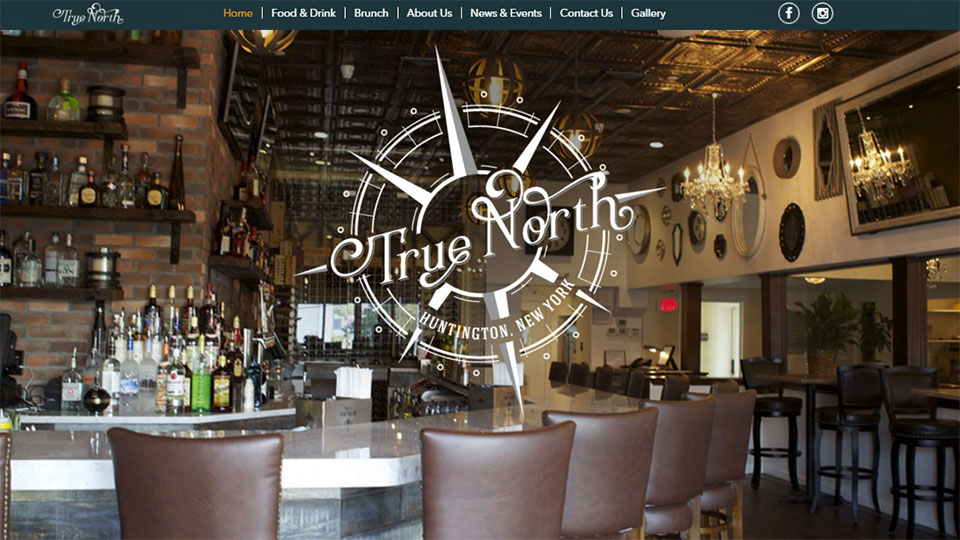
When people hear the word "design" they often think only of the visual aspect; what something looks like. However, visual design is just one part of the web design process. In fact, the visual design element of some projects usually only accounts for a small percentage of the work. Web design does of course involve a strong visual side, but it also requires design of the interaction between the site and the user. This post addresses not just what a site looks like, but how it behaves and how it is organised.

Read More
If you are showcasing your portfolio and work, image gallery plays a very important part for your website. Not only, you required a fast loading process, good user navigation experience, easy maintainable and search engine friendly site, by adding a non-flash based gallery could add some cutting edges to your self web presence.

Read More
When a brand is under attack from threatening forces within a hostile marketplace, its best defense is a formidable brand identity. A brand has been defined as the name, logo, that distinguish a product or a service form others. Logo design has become quite an art and skill over the years and it takes a lot of good techniques to master it. Let me share some 10 tips and tricks on how to kick start your logo design.

Read More
The art of CSS has almost become synchronized with development perfection. While every web developers has been adopting the ease and stability of such language, it's not a simple breeze initially. When we're talking about CSS Layers, Z-Index, Absolute and Relative Positioning, CSS beginner often fall into a lot of confusion when they tries to understand them.
Many CSS beginners may start using relative and absolute positioning when constructing their web page layout, because they think that is very easy to position certain element to their desired location just by changing the top and left value in the CSS.
Well, this might works but often is not a good practice. Reason being that position absolute will actually takes stuff out of the document flow, creating many layers above each other and those layers don't see each other, so nothing will react to each other. This is usually the primary source of major issues.
Generally, absolute positioning is not advisable for general web page layout. For me, I only use absolute positioning when I need to position something that needs to be in a certain position relative to its parent. For instance, an image that I cannot have it as a background image which needs to sit right on at the corner of a box that will not expand, or take example our OXP RSS Feed that I want it to sit above between 2 div tags.
Some other practical use of CSS layer can be:
- JavaScript elements flying banners on the page
- Games where you move an object around
- Drop down menu become visible when rollover

First take a look at the demo on how each layer stack above each other, we are using Relative, Absolute Positioning and Z-index here and not creating many div within it to stack the layers.
Read More
First introduced by Winamp, skins allow MP3 players to veer sharply from the cliches rampant in audio hardware. In audio components, it seems black means high tech, silver means solid state, yellow means waterproof.
Winamp allows you can choose from over 2000 user contributed interfaces, from the futuristic to an antiqued woodgrain look. However, this tutorial has taken the concept even further, not only by teaching you how to design a clean and futuristic skin interface, but also allows you to have complete control over the end-user interface from the appearance and positioning of buttons to whether or not the volume control can be turned all the way up to 11.

Read More
Many websites have use huge image sliders with JavaScript as a featured content slider or image content slider for the portfolio to showcase their work. By using this image sliders, it will actually give visitors a better impact and clear overview about the site.
With the JavaScript in place for the image content sliders, it not only gives the visitor a better user experience, it also will speed up on the loading time compare to a flash image content slider and most importantly, they are search engine friendly.

Read More
Collage comes from the French meaning a glued work. Its origin within Western art is attributed to Picasso and Braque, to artworks from 1911 and 1912 that incorporated newspaper and pieces of chair caning into still life representations. As a distinctive part of modern art, a collage is a picture or design created by adhering flat elements such as newspaper, wallpaper, printed text and illustrations, photographs, cloth, string, etc., to a flat surface, when the result becomes three-dimensional, and might also be called a relief sculpture / construction / assemblage.
Most of the elements adhered in producing most collages are found or recycled materials. This process is widely used by not only artist in contemporary art but also by web designers today. Here are some finely picked web pages which have made used of collage as their theme.
Ths

Read More
RSS Feed
8020
Follow Us
6024